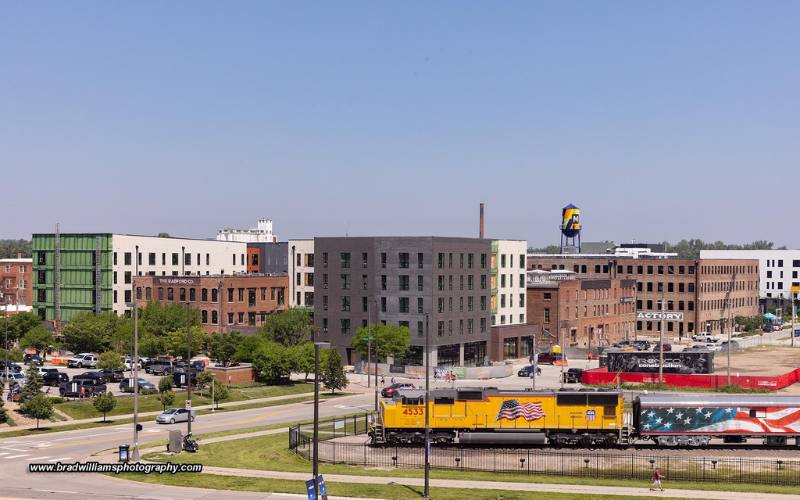
The City of Omaha yesterday has taken ownership of “Home Plate,” a 25-acre property in North Downtown where Union Omaha’s planned professional soccer stadium and much more will sit. The city closed on the $18.6 million land purchase on Friday.
“Two words: Home run,” said Mayor John W. Ewing Jr. “This purchase puts us at the plate, pun most definitely intended, to swing for the fences on creating a more exciting Omaha.”
Union Pacific called its North Downtown property “Home Plate” because of its proximity to Charles Schwab Field, home of NCAA Men’s College World Series. The railroad uses it to park historical passenger railcars for special events. Rail is also how baseball teams once traveled to games. Union Pacific retained access to six acres around its rails and to event space there through an easement as part of the property deal.
“Union Pacific has proudly called Omaha home for more than 160 years, and we want to thank the City of Omaha for its partnership,” said Union Pacific CEO Jim Vena. “We look forward to this new development, which enhances an already great community where our employees are proud to live and work.”
This comma-shaped property allows the city to do several things:
- Build the $140 million stadium plus an additional mixed-use development, to include hundreds of apartments, retail, restaurants and other amenities adjacent to Millwork Commons, where a city parking garage will open.
- Lease it to Union Omaha, the professional men’s soccer team that formerly played at Werner Park in Sarpy County and most recently is calling Creighton University’s Morrison Stadium home. The lease arrangement and other financing tools help the project pay for itself.
- Construct major city infrastructure, including a combined sewer treatment facility.
- Link the growing North Downtown district with downtown, enabling people to easily access entertainment districts. The city will connect 11th Street north of Cuming Street with 10th Street south of Cuming for much easier access.
- This land purchase kicks off an important series of improvements, representing the city’s continued investment in its urban core.
The future stadium is expected to have 6,500 fixed seats with overall capacity reaching about 8,500 with the berm and standing-room only spaces.
“We are excited to be one step closer to realizing a home for professional soccer in downtown Omaha,” said Alexis Boulos, Chief Operating Officer of Union Omaha.
Mayor Ewing said Omaha likes to take big swings.
“With bases loaded, we stand literally at ‘Home Plate,’” he said, “ready to hit a grand slam.”
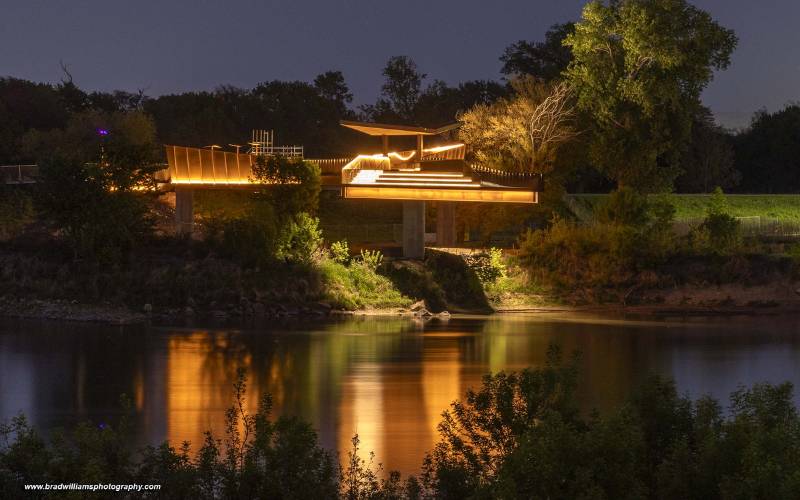
Photo by Brad Williams