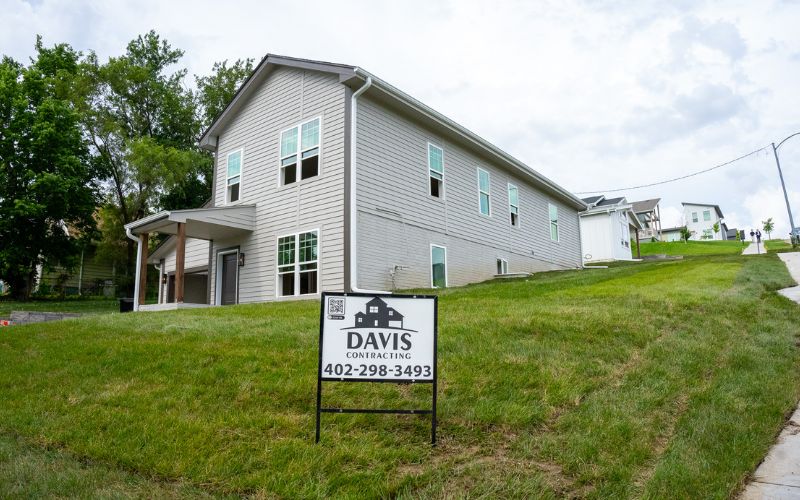

A major new investment aimed at addressing Omaha’s housing shortage in the urban core is beginning to move from concept to construction.
Front Porch Investments, a nonprofit focused on expanding affordable housing, is now advancing projects tied to a $40 million urban core housing fund backed in part by a streetcar-related bond purchase from the Lozier Foundation. The effort is designed to help deliver up to 1,900 new affordable housing units.
Executive Director Jody Holston said the organization has spent the past few months building the framework needed to move projects forward.
“We officially launched that fund in January,” Holston said. “In that time, we’ve been focused on moving it into implementation.”
That work has included coordinating with the City of Omaha to establish how projects are reviewed and approved, while also working directly with developers to build a pipeline of potential developments. According to Holston, they’re getting close to dollars actually hitting projects.
“We have already reviewed our first few projects,” she said. “The first one is conditionally approved, and we’ve got a couple more in review right now.”
While no projects have been formally announced yet, Holston said that milestone is getting closer.
“We’ll formally announce the projects as soon as they actually close on their financing and loan, but likely it will be later this year on the first few,” she said.
The fund targets Omaha’s urban core, generally defined as the area from the Missouri River west to 50th Avenue and from Cuming Street south to Woolworth Avenue. Within that area, emphasis is being placed on the future streetcar corridor and areas experiencing significant blight.
Holston said they’re trying to meet the full need of the spectrum and make sure there’s options provided.
“We expect to see a mix of projects, from multifamily rentals to homeownership, mixed-income and mixed-use developments, as well as preservation of existing housing,” she said.
Affordability will also vary. Most projects will target households earning 80 percent of the area median income or below, though some developments may extend into workforce housing levels up to 100 or 120 percent of median income. Importantly, those affordability levels are designed to last.
“We make sure there are structures in place, so those units stay affordable for the next 10 to 20 years,” Holston said.
The funding itself is intended to help bridge financing, which is often one of the biggest challenges in housing development. Front Porch offers flexible, low-interest loans, typically between 2 percent and 4 percent that can be used across the full life cycle of a project.
That flexibility is especially critical in the urban core, where higher land and infrastructure costs can make projects more difficult to complete.
“We’re facing the same challenges everyone is facing in building housing,” Holston said. “Especially in the urban core, a lot of those challenges are more pronounced.”
The need remains significant. Holston noted the Omaha metro is short an estimated 85,000 affordable housing units. She also noted the Greater Omaha Chamber previously released a target of adding 30,000 new residents to the urban core.
The 1,900-unit target tied to this fund remains in place, though Holston said the exact number will depend on how projects layer multiple funding sources.
Beyond this specific initiative, Front Porch has already played a growing role in the region’s housing landscape. Since 2022, the organization has helped fund $44 million in projects, leveraging more than $577 million in total development.
“This $40 million in the urban core fund, we would expect that to leverage a much larger impact in total development cost, so we’re excited to see that,” Holston said.
Front Porch is also working on broader solutions to address systemic housing challenges, including regulatory barriers and rising construction costs. The organization recently partnered with the Urban Land Institute to host a technical assistance panel with the goal to solve problems around affordability in the urban core, with recommendations expected in late May.
As those first developments begin to take shape later this year, they could mark an important step toward closing Omaha’s housing gap. Front Porch is also cosponsoring a development symposium conference in June focused on affordable housing development.
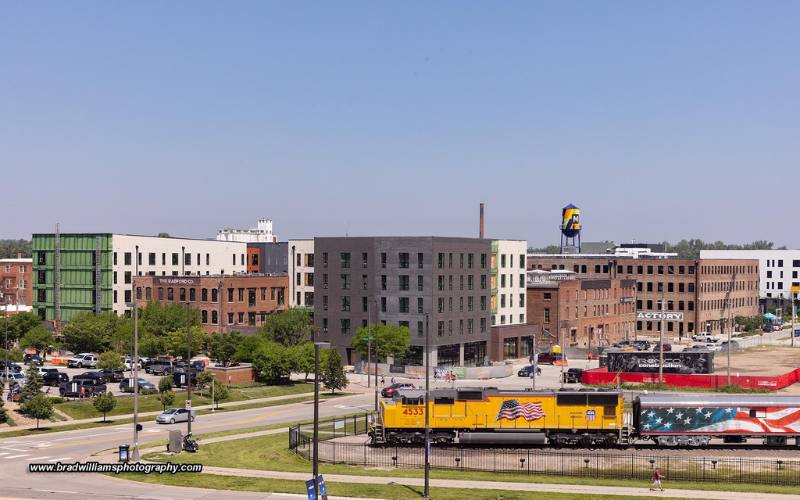
Photo by Brad Williams