
The Omaha metro area grew by nearly 1 percent over the past year, according to U.S. Census Bureau data released today. The updated population estimates cover the period from July 1, 2024 to July 1, 2025.
The 8-county Omaha Metropolitan Statistical Area grew from a population of 1,000,266 in 2024 to 1,009,836 in 2025. That’s a net gain of 9,570 people and a healthy growth rate of .96 percent. The average growth rate for all U.S. metro areas was only about .5 percent.
The nation has 423 metro areas, and each one of them is comprised of counties as determined by the Census Bureau. The feds have declared five counties in Nebraska and three in Iowa comprise the Omaha NE-IA Metropolitan Statistical Area. Here’s a look at how each of those counties grew from 2024 to 2025:
Douglas (NE) 606,460 = +.92% annual growth
Sarpy (NE) 208,303 = +1.85% annual growth
Pottawattamie (IA) 92,996 = -.29% annual
Cass (NE) 27,657 = +.57% annual growth
Saunders (NE) 23,702 = +1.1% annual growth
Washington (NE) 21,302 = +.07% annual growth
Mills (IA) 14,793 = +.31% annual growth
Harrison (IA) 14,623 = +.2% annual growth
As has been the case for the past several years, the three Iowa counties are holding the metro’s growth rate down especially Pottawattamie, which actually shrunk over the past year.
A couple other Nebraska counties may be of interest. Lancaster County, home of Lincoln, grew by .82 percent to 334,049. Dodge County, home of Fremont, grew by .33 percent to 38,057.
Nebraska’s two fastest-growing counties were Kimball and Banner counties in the far southwest corner of the panhandle. That population growth was likely caused by Denver-area residents moving further out. That’s been a recent trend for that part of Nebraska especially because of its relatively short drive time from Denver International Airport.
Here’s how the Omaha metro area’s population and growth rate compare to other regional metros with populations of at least 350,000. The list below is ranked by rate of population growth:
Des Moines = 758,539 (1.03%)
Omaha = 1,009,836 (.96%)
Oklahoma City = 1,512,813 (.92%)
Lincoln = 352,081 (.82%)
Minneapolis = 3,790,295 (.78%)
Kansas City = 2,270,682 (.77%)
Tulsa = 1,069,273 (.77%)
Wichita = 663,809 (.65%)
Colorado Springs = 781,796 (.6%)
Denver = 3,092,037 (.36%)
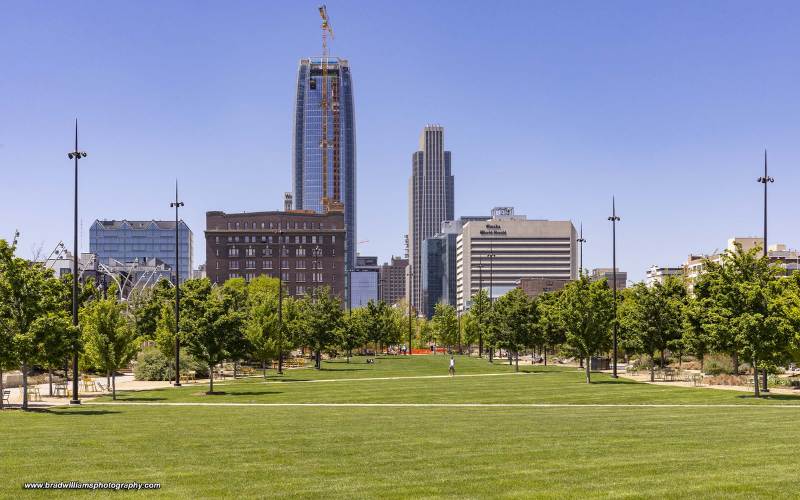
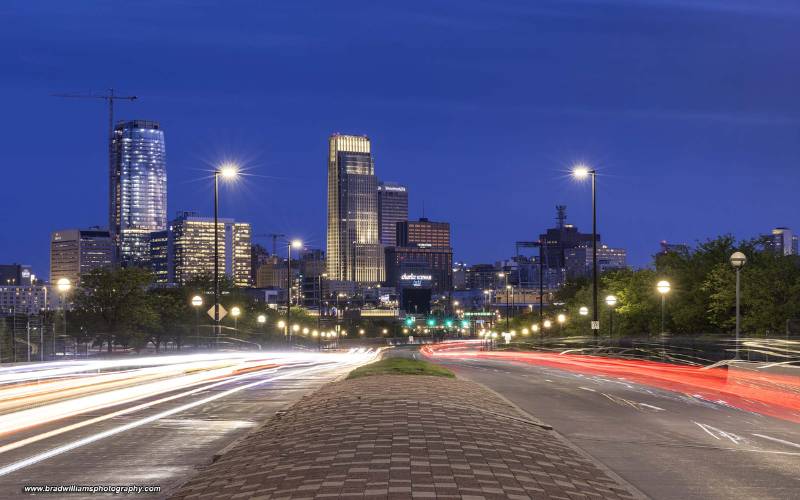
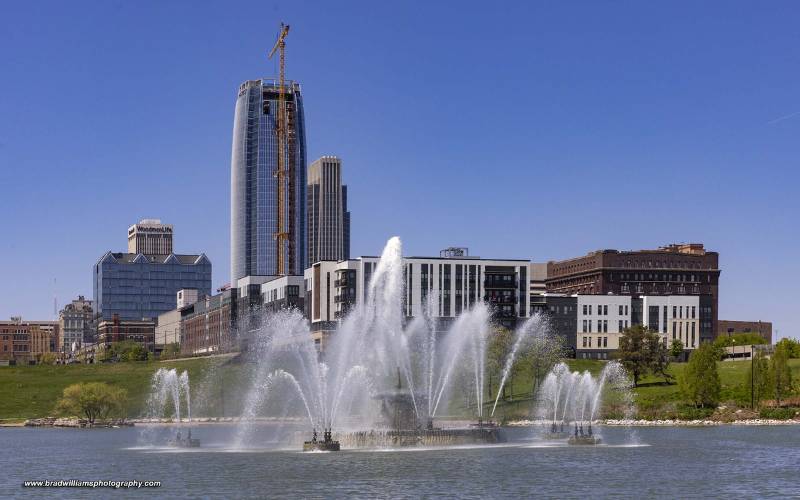
Photo above by Brad Williams