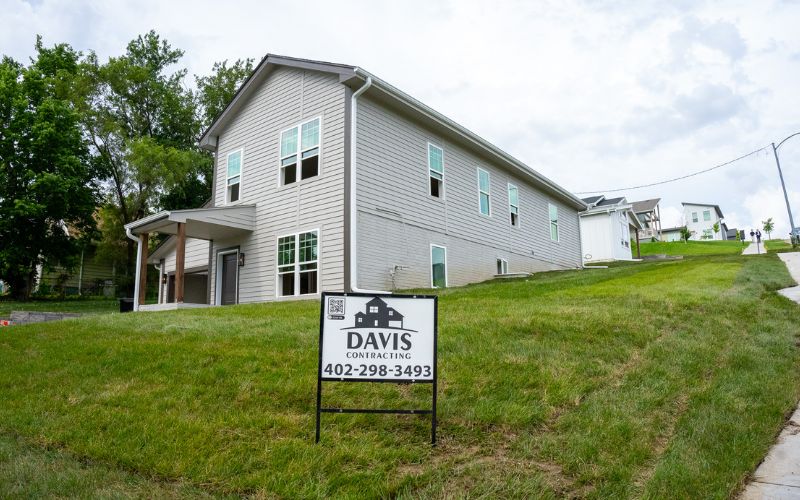

In April 2026, Nebraska enacted LB1114, formally authorizing Community Improvement Districts (CIDs) as a new tool to finance public infrastructure and support development within city or village boundaries, including inside Omaha city limits.
The legislation received near-unanimous approval (48–1) and was signed into law following an 18-month effort led by the Welcome Home Coalition and Bluestem Capital Partners, with sponsorship from Senator Mike Jacobson and strategic guidance from Neilen Strategy Group.
J.P. Platisha, managing director of Bluestem Capital Partners, noted, “The state of Nebraska is vastly short on housing, particularly affordable housing. CIDs seek to provide the economic incentive to increase lot supply across the state, while reducing upfront lot costs by spreading infrastructure expenses over time—helping make homes more affordable.”
In addition to residential development, CIDs are expected to be useful for the development of commercial mixed-use and redevelopment projects where infrastructure costs significantly impact feasibility.
What is a CID?
A Community Improvement District is a limited-purpose public entity created within a city or village to help pay for infrastructure tied to a specific development, similar to the existing structure of “Sanitary Improvement Districts” (SIDs) located outside of Omaha city limits.
In simple terms, CIDs fund the essential groundwork—such as streets, water and sewer systems, and public spaces—that must be in place before homes or commercial buildings can be built.
The benefit of the CID is that the cost of these improvements is primarily paid by the properties that benefit from them, rather than being absorbed entirely upfront by developers or municipalities. Final users pay for the improvements over time through property taxes rather than having these infrastructure costs included in their purchase price of the developed asset.
How the Financing Works
One of the most important features of a Community Improvement District (CID) is how it pays for infrastructure over time.
Instead of requiring all costs upfront, CIDs use a two-step financing approach:
- Step 1: Build the infrastructure
The CID uses short-term warrant financing to pay for roads, utilities, and other improvements at the beginning of a project—before homes or buildings are constructed. - Step 2: Refinance once value is created
As development occurs and property values increase, the CID replaces that initial financing with longer-term bonds that typically carry lower interest rates.
By spreading costs over time and tying repayment to the taxable value created by the development, CIDs may help:
- Make projects financially feasible that might not otherwise move forward
- Increase the supply of housing and commercial space, while allowing property owners and homebuyers to benefit from potentially lower real estate prices and improved public amenities within their communities
- Allow cities and villages to support growth while maintaining control over planning and avoiding additional strain on their balance sheets
Looking Ahead
Successful implementation will require early coordination among municipalities, developers, engineers, and financial professionals to ensure projects are structured appropriately and aligned with local planning goals.
Adam Flanagan, managing director of Bluestem Capital Partners, added, “Bluestem has provided municipal advisory services to Nebraska SIDs for over 30 years, and we are excited to use this new tool to reach areas that are underserved and in need of housing. As a municipal advisor, we help determine whether a project is financially feasible, structure the financing, and guide the district throughout its lifecycle—from setting tax levies to managing long-term budgets.”
The authorization of CIDs represents a meaningful expansion of Nebraska’s development finance toolkit. While not a replacement for existing mechanisms, CIDs offer a new way to align infrastructure investment with development outcomes across Nebraska.
As projects begin to utilize this structure, their success will depend on thoughtful planning, responsible financial structuring, and continued collaboration between public and private stakeholders.
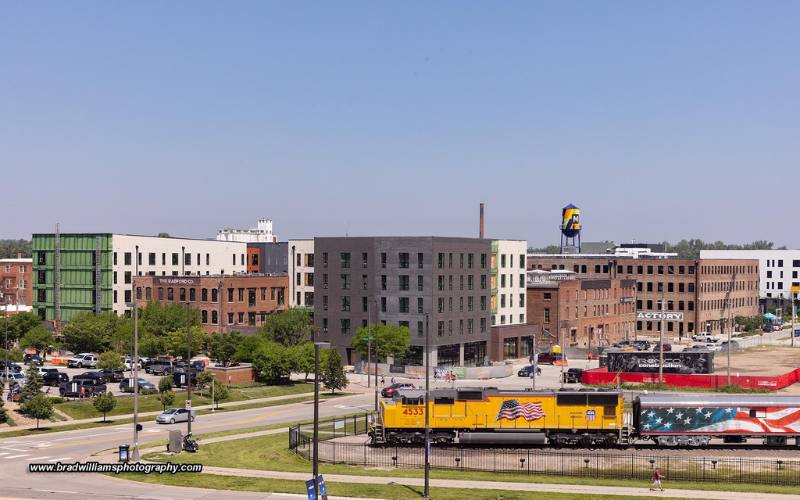
Photo by Brad Williams